daily English learning (Part 2)
Recently, I’ve been frequently encountering unfamiliar words when receiving messages. Previously, I would simply look them up in a dictionary like Eudic to understand their meaning. When I encounter similar words again, I get confused about their meanings. For example, “familiar” and “similar”
glossary*
morning news & weather
learned from ChatGPT in Singapore.
- haze: [N-Var]
hazeis light mist, caused by particles of water or dust in the air, which prevents you from seeing distant objects clearly. haze often forms in hot weather. (阴)霾;雾霭
[N-Sing] if there is ahaze ofsomething such as smoke or steam, you cannot see clearly through it. 雾状物 [literary]
[N-Sing] if someone is in ahaze, they are not thinking clearly or not really noticing what is happening around them. 迷糊😧;懵懂 [with supplement, oft adjective Noun, Noun of n] - pollutant: [N-Var]
pollutantsare substances that pollute the environment, especially gases from vehicles and poisonous chemicals produced as waste by industrial processes. 污染物(尤指车辆尾气和工业有毒化学废弃物) - deteriorate: [Verb] if something
deteriorates, it becomes worse in some way. 恶化;变坏;衰退 - strenuous: [Adj-graded] a
strenuousactivity or action involves a lot of energy or effort. 费力的;繁重的;艰苦的 - pollution: [N-Uncounted]
pollutionis the process of polluting water, air, or land, especially with poisonous chemicals. (尤指有毒化学品造成的)污染
[N-Uncounted]pollutionis poisonous or dirty substances that are polluting the water, air, or land somewhere. 污染物 - meteorological: [Adj.]
meteorologicalmeans relating to meteorology. 气象学的
meteorology: [N-Uncounted]meteorologyis the study of the processes in the Earth’s atmosphere that cause particular weather conditions, especially in order to predict the weather. 气象学 - steady: [Adj-graded] a
steadysituation continues or develops gradually without any interruptions and is not likely to change quickly. 稳步的;持续不断的
[Adj-graded] if an object issteady, it is firm and does not shake or move about. 稳定的;牢固的;不摇晃的
[Adj-graded] if you look at someone or speak to them in asteadyway, you look or speak in a calm, controlled way. 沉着的;镇定的;冷静的
[Adj-graded] if you describe a person assteady, you mean that they are sensible and reliable. (人)稳重的,理智的,可靠的
[V-T/V-I] if yousteadysomething or if itsteadies, it stops shaking or moving about. (使)稳定;(使)不摇晃
[Verb] if yousteady yourself, you control your voice or expression, so that people will think that you are calm and not nervous. 使镇定;使冷静;使平静
[Exclamation] you say ‘steady on’ to someone to tell them to calm down or to be careful about what they are saying. 冷静点;说话当心点
[Phrase] if two peopleare going steady, they are having a long, fairly serious romantic relationship. 有确定的情侣关系;恋爱关系稳定 [informal] - exclamation: [N-Count] an
exclamationis a sound, word, or sentence that is spoken suddenly, loudly, or emphatically and that expresses excitement, admiration, shock, or anger. 惊叫;感叹;感叹词;感叹句 - monetary: [Adj.]
monetarymeans relating to money, especially the total amount of money in a country. (尤指一国)货币的,金融的,财政的 [business] - inflation: [N-Uncounted]
inflationis a general increase in the prices of goods and services in a country. 通货膨胀 [business]
pollutant & pollution
- pollutant: [N-Var]
pollutantsare substances that pollute the environment, especially gases from vehicles and poisonous chemicals produced as waste by industrial processes. 污染物(尤指车辆尾气和工业有毒化学废弃物) - pollution: [N-Uncounted]
pollutionis the process of polluting water, air, or land, especially with poisonous chemicals. (尤指有毒化学品造成的)污染
[N-Uncounted]pollutionis poisonous or dirty substances that are polluting the water, air, or land somewhere. 污染物
calm & clam
- calm: [Adj-graded] a
calmperson does not show or feel any worry, anger, or excitement. 镇定的;镇静的;冷静的
[Verb] if youcalmsomeone, you do something to make them feel less angry, worried, or excited. 使平静;使安静;使镇定
[N-Uncounted]calmis used to refer to a quiet, still, or peaceful atmosphere in a place. 平静;安静;宁静
[Adj-graded] if someone says that a place iscalm, they mean that it is free from fighting or public disorder, when trouble has recently occurred there or had been expected. 平静的;安定的 [journalism]
[Verb] tocalma situation means to reduce the amount of trouble, violence, or panic there is. 平定;使安定;使有秩序
[Adj-graded] if the sea or a lake iscalm, the water is not moving very much and there are no big waves. (水面)平静的,风平浪静的
[Adj-graded]calmweather is pleasant weather with little or no wind. (天气)无风的
[N-Count] in sailing, a flatcalmor a deadcalmis a condition of the sea or the weather in which there is very little wind or movement of the water. (帆船⛵️比赛中的)静风,风平浪静 [technical]
[Verb] when the seacalms, it becomes still because the wind stops blowing strongly. when the windcalms, it stops blowing strongly. (海面)平静;(风)平息
[Verb] tocalma pain or an itch means to reduce it or get rid of it. 镇(痛);止(痒)
[Phrase] you can usethe calm before the stormto refer to a quiet period in which there is little or no activity, before a period in which there is a lot of trouble or intense activity. 风暴前的平静 - clam: [N-Count]
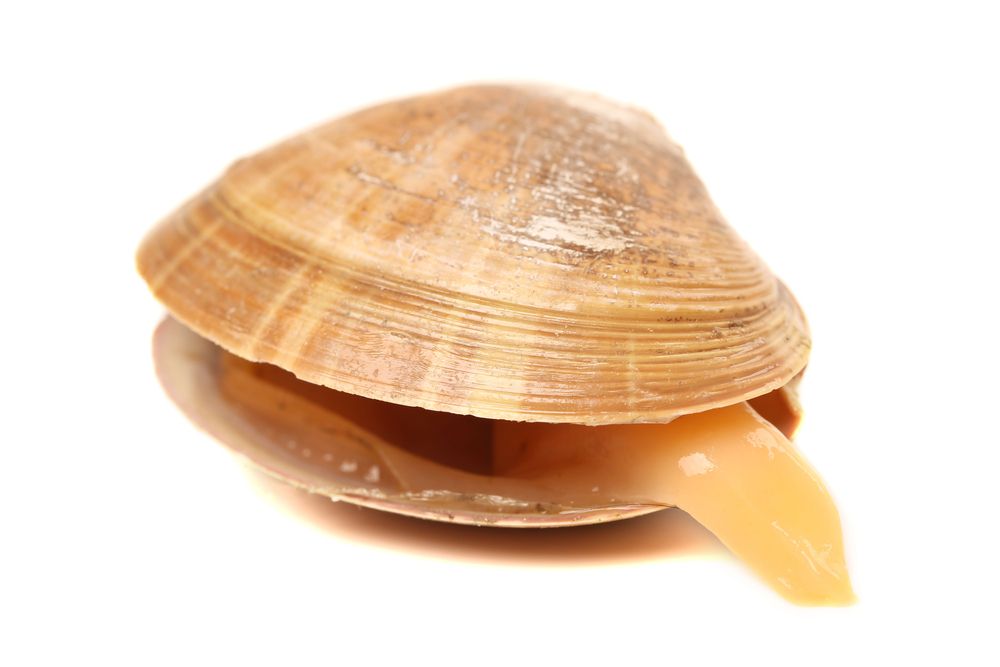
clamsare a kind of shellfish which can be eaten. 蛤;蚌;蛤蜊
traffic news
- facilitate: [Verb] to
facilitatean action or process, especially one that you would like to happen, means to make it easier or more likely to happen. 促进;使便利 - grave: [N-Count] a
graveis a place where a dead person is buried. 墓穴;坟墓🪦;埋葬处
[N-Count] you can refer to some-one’s death as theirgraveor to death asthe grave. 死亡;终结
[Adj-graded] agraveevent or situation is very serious, important, and worrying. 严重的;重大的;严峻的
[Adj-graded] agraveperson is quiet and serious in their appearance or behavior. 严肃的;表情沉重的
[Adj.] in some languages such as French, agraveaccent is a symbol that is placed over a vowel in a word to show how the vowel is pronounced. 重音符;抑音符;沉音符
[Phrase] if you say that someoneis diggingtheirown grave, you are warning them that they are doing something foolish or dangerous that will cause their own failure. 自掘坟墓;自取灭亡
[Phrase] if you say that someone who is dead wouldturn intheirgrave atsomething that is happening now, you mean that they would be very shocked or upset by it, if they were alive. 九泉之下不得安宁 - sweep: [Verb] if you
sweepan area of floor or ground, you push dirt orrubbishoff it using a brush with a long handle. 扫;掸;打扫;清扫
[Verb] if yousweepthings off something, you push them off with a quick smooth movement of your arm. 拂去;掸去
[Verb] if someone with long hairsweepstheir hair into a particular style, they put it into that style. 梳,拢(头发)
[V-T/V-I] if your arm or handsweepsin a particular direction, or if yousweepit there, it moves quickly and smoothly in that direction. (使)(手臂)挥动
[Verb] if wind, a stormy sea, or another strong forcesweepssomeone or something along, it moves them quickly along. (风、汹涌的海水🌊等)席卷,横扫,掠过
[Verb] if youare sweptsomewhere, you are taken there very quickly. 将…迅速送到
[Verb] if somethingsweepsfrom one place to another, it moves there extremely quickly. 扫过;掠过;疾驰而过 [written]
[Verb] if events, ideas, or beliefssweepthrough a place, they spread quickly through it. (事件、思想💭、信仰)迅速传播,席卷
[Verb] if someonesweepsinto a place, they walk into it in a proud, confident way, often when they are angry. (通常指生气时)大模大样地走,趾高气扬地走 [written]
[Verb] if a person or thingsweepssomethingawayoraside, they remove it quickly and completely. 彻底删掉;迅速除去
[Verb] if lights or someone’s eyessweepan area, they move across the area from side to side. (目光)扫视;(灯光)扫过,掠过 [mainly written]
[Verb] if land or watersweepssomewhere, it stretches out in a long, wide, curved shape. 蜿蜒,延伸;绵延
[N-Count] asweep ofland or water forms a long, wide, curved shape. (道路、河流)绵延弯曲的地带,宽广而弯曲的一长段 [with supplement]
[Verb] if a person or groupsweepsan election orsweeps tovictory, they win the election easily. 轻松赢得(竞选等)
[N-Count] if someone makes asweep ofa place, they search it, usually because they are looking for people who are hiding or for an illegal activity. 搜查;搜索🔍;扫荡 [usually singular]
[N-Sing] if you refer to thesweep ofsomething, you are indicating that it includes a large number of different events, qualities, or opinions. 广泛性;广度 [with supplement]
[Phrase] if someonesweepssomething bad or wrongunder the carpet, or if theysweepitunder the rug, they try to prevent people from hearing about it. 掩盖;掩饰
[Phrase] if youmake a clean sweep ofsomething such as a series of games or tournaments, you win them all. 在(比赛中)大获全胜;横扫
[Phrase] if someonesweepsyouoffyourfeet, you fall in love with them very quickly because you find them very attractive or exciting. tosweep the board-> see:board使一见倾心;把…一下子迷住🤩 - columbarium: [N] a niche for a funeral urn containing the ashes of the cremated dead 骨灰安置所
- glow: [N-Count] a
glowis a dull, steady light, for example the light produced by a fire when there are no flames. 微弱稳定的光;暗淡的光 [usually singular]
[N-Sing] aglowis a pink color on a person’s face, usually because they are healthy or have been exercising. (脸上的)红光,红晕,红润
[N-Sing] if you feel aglow ofsatisfaction or achievement, you have a strong feeling of pleasure because of something that you have done or that has happened. 一股,满腔(满足感等)
[Verb] if somethingglows, it produces a dull, steady light. 发微弱而稳定的光;发暗淡的光
[Verb] if a placeglows witha color or a quality, it is bright, attractive, and colorful. 色彩鲜艳;绚丽夺目;洋溢着(某种特征) [also Verb]
[Verb] if somethingglows, it looks bright because it is reflecting light. 发光;泛光
[Verb] if someone’s skinglows, it looks pink because they are healthy or excited, or have been doing physical exercise. (皮肤由于健康、激动或运动)发红,泛红晕,容光焕发 [also Verb]
[Verb] if someoneglows withan emotion such as pride or pleasure, the expression on their face shows how they feel. 洋溢着,散发出(某种情感) [also Verb] - moisture: [N-Uncounted]
moistureis tiny drops of water in the air, on a surface, or in the ground. 潮气;湿气;水分 - grocery: [N-Count] a
groceryor agrocery storeis a grocer’s shop. 食品杂货店 [mainly US]
[N-Plural]groceriesare foods you buy at a grocer’s or at a supermarket such as flour, sugar, and tinned foods. 食品杂货 - comprise: [Verb] if you say that something
comprisesoris comprised ofa number of things or people, you mean it has them as its parts or members. 包括;由…组成 [formal]
[Verb] the things or people thatcomprisesomething are the parts or members that form it. 构成;组成 [formal]
compose: 正式用词,多用被动态. 指将两个或两个以上的人或物放到一起形成一个整体.
comprise: 正式用词,指整体是由几个独立的部分所组成.
consist: 与of连用,指一个整体由几个部分组成,或由某些材料构成.
constitute: 正式用词,指由某些部分组成一个整体或构成某物的基本成分. 在句中,主语表事物的组成部分,宾语表示事物的整体. - precise: [Adj-graded] you use
preciseto emphasize that you are referring to an exact thing, rather than something vague. 明确的;确切的 [emphasis]
[Adj-graded] something that is precise is exact and accurate in all its details. 精确的;准确的
[Phrase] you say ‘to be precise’ to indicate that you are giving more detailed or accurate information than you have just given. 确切地说;准确地说
Twitch
- stalker: [N-Count] a
stalkeris someone who keeps following or contacting someone else, especially a famous person or a person they used to have a relationship with, in an annoying and frightening way. 跟踪骚扰者(尤针对名人或分手恋人) - jackpot: [N-Count] a
jackpotis the most valuable prize in a game or lottery, especially when the game involves increasing the value of the prize until someone wins it. (游戏或彩票的)头奖,最高奖;(尤指游戏中的)累积赌注金 [usually singular]
[Phrase] if youhit the jackpot, you have a great success, for example by winning a lot of money or having a piece of good luck. 取得巨大成功;赢了一大笔钱;交好运 [informal] - tingle: [Verb] when a part of your body
tingles, you have a slight stinging feeling there. 感到刺痛
[Verb] if youtingle witha feeling such as excitement, you feel it very strongly. 强烈地感到;激动
(Tingle) 廷格尔 (人名) - bakery: [N-Count] a
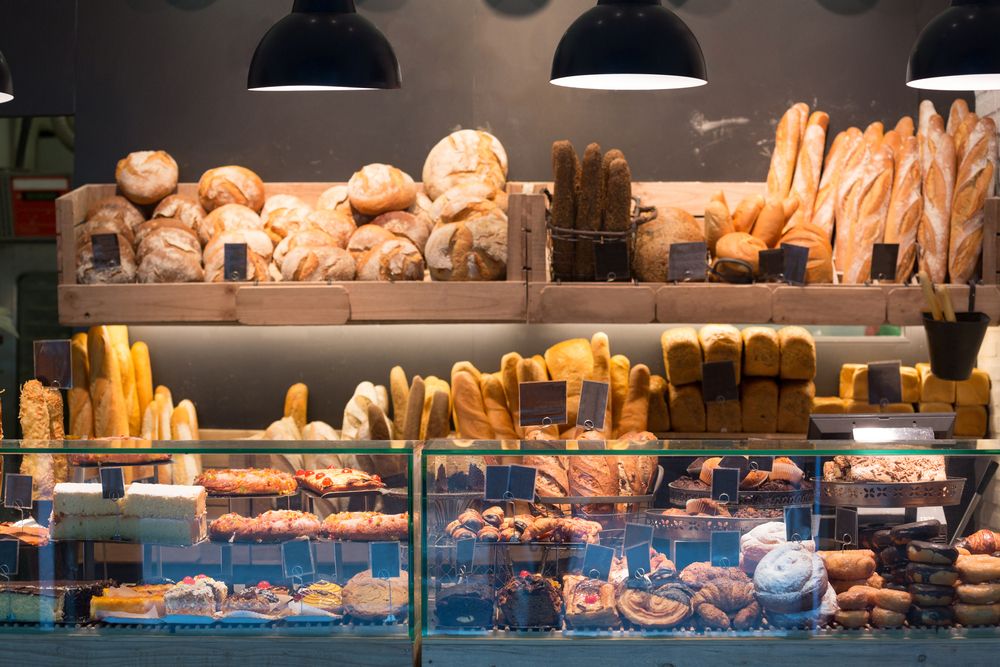
bakeryis a building where bread, pastries, and cakes are baked, or the shop where they are sold. 面包🥖(或糕饼)烘房;面包🥖(或糕饼)店🏬
- cozy: see
cosy. [Adj-graded] a house or room that iscozyis comfortable and warm. 暖和舒适的
[Adj-graded] if you arecozy, you are comfortable and warm. 感到温暖舒适的
[Adj-graded] you usecozyto describe activities that are pleasant and friendly, and involve people who know each other well. 愉快的;友好的;亲切的
[N] a padded cloth covering to keep a teapot warm. (茶壶的)保温罩,茶壶套 (tea cozy)
cozy up to: 讨好,奉承,巴结 - toasty: [Adj-graded] if something is
toasty, it is comfortably warm. 暖烘烘的;温暖舒适的 [informal]
[Adj.] tasting or smelling like toast. 有烤面包味的
[N] a toasted sandwich. 烤三明治🥪 [informal] - papaya: [N-Count] a
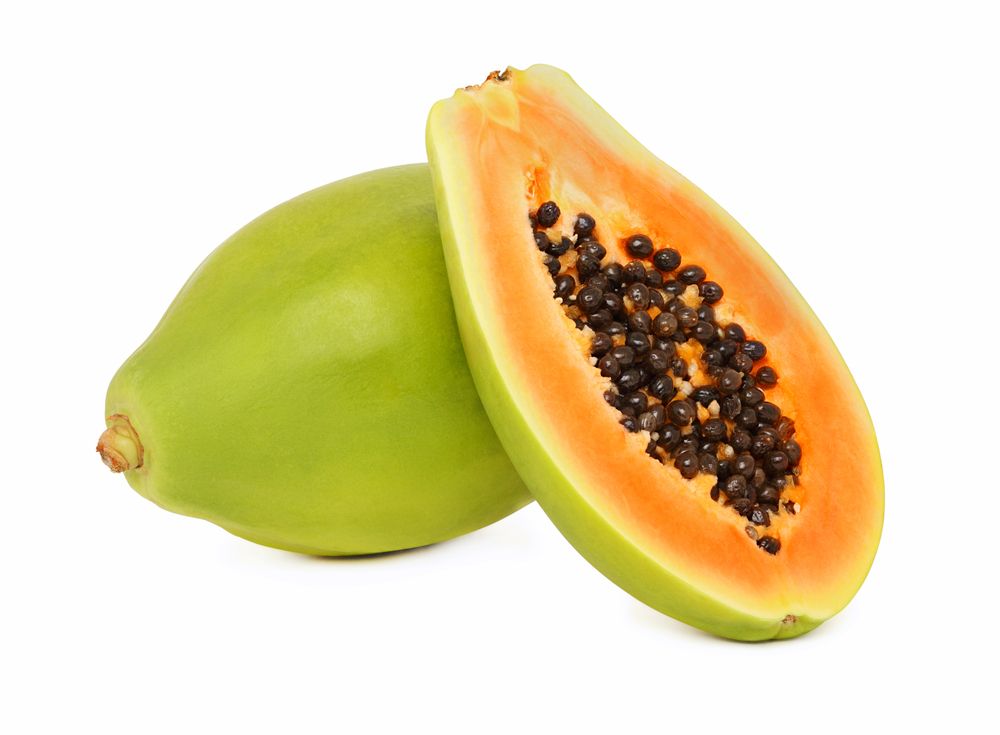
papayais a fruit with a green skin, sweet yellow flesh, and small black seeds. Papayas grow on trees in hot countries. 番木瓜;木瓜
- helmet: [N-Count] a
helmetis a hat made of a strong material which you wear to protect your head. 头盔;防护帽 - mingle: [Verb] if things such as sounds, smells, or feelings
mingle, they become mixed together but are usually still recognizable. (声音、气味等)混合,混杂;(感情)交织,交错
[Verb] at a party, if youmingle withthe other people there, you move around and talk to them. 应酬;交际
(Mingle) 明格尔 (人名) - purse: [N-Count] a
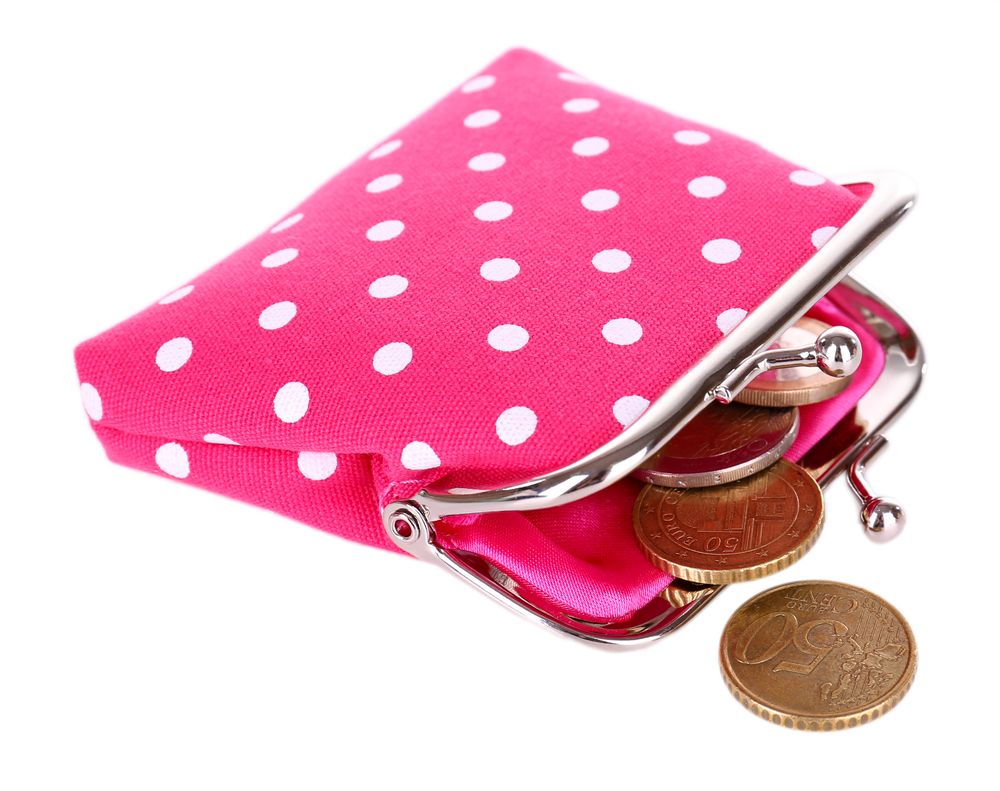
purseis a very small bag that people, especially women, keep their money in. (尤指女式🚺)钱包👛 [British]
[N-Count] apurseis a small bag that women carry. 女用小包;坤包 [US]
in BRIT, usebag,handbag.
[N-Sing]purseis used to refer to the total amount of money that a country, family, or group has. 资金;财力;财源
[Verb] if youpurseyourlips, you move them into a small, rounded shape, usually because you disapprove of something or when you are thinking. 缩拢,皱起,撅起(嘴唇👄)
- widow: [N-Count] a
widowis a woman whose husband has died and who has not married again. 寡妇;遗孀 - curse: [Verb] if you
curse, you use rude or offensive language, usually because you are angry about something. 诅咒;咒骂 [written]
[Verb] if youcursesomeone, you say insulting things to them because you are angry with them. 咒骂;诅咒;辱骂
[Verb] if youcursesomething, you complain angrily about it, especially using rude language. (尤指用粗话)抱怨,发牢骚;咒骂
[N-Count] if you say that there is acurse onsomeone, you mean that there seems to be a supernatural power causing unpleasant things to happen to them. 诅咒;咒语
[N-Count] you can refer to something that causes a great deal of trouble or harm as acurse. 祸根;祸端;祸水 [usually singular] - summon: [Verb] if you
summonsomeone, you order them to come to you. 召唤;传唤;召见 [formal]
[Verb] if yousummona quality, you make a great effort to have it. for example, if yousummonthe courage or strength to do something, you make a great effort to be brave or strong, so that you will be able to do it. 鼓起(勇气);振作;使出(力气)
[Phrase] if somethingsummons upa memory or thought, it causes it to come to your mind. 唤起;使想起 [literary]
summoner: [N-Count] 召唤者,传唤者;法院传票送达员;召唤师 (游戏职业名) - grid: [N-Count] a
gridis something which is in a pattern of straight lines that cross over each other, forming squares. on maps the grid is used to help you find a particular thing or place. 网格; (地图上的)坐标方格
[N-Count] agridis a network of wires and cables by which sources of power, such as electricity, are distributed throughout a country or area. (输送电力等的)系统网络
[N-Count]the gridorthe starting gridis the starting line on a car-racing track. 赛车起跑线 - forecast: [N-Count] a
forecastis a statement of what is expected to happen in the future, especially in relation to a particular event or situation. 预报;预测
[Verb] if youforecastfuture events, you say what you think is going to happen in the future. 预测;预言 - drumstick: [N-Count] a
drumstickis the lower part of the leg of a bird such as a chicken which is cooked and eaten. 下段鸡腿肉,琵琶腿 [usually plural]
[N-Count]drumsticksare sticks used for beating a drum. 鼓槌 - funnel: [N-Count] a
funnelis an object with a wide, circular top and a narrow short tube at the bottom. funnels are used to pour liquids into containers which have a small opening, for example bottles. 漏斗
[N-Count] afunnelis a metal chimney on a ship or railway engine powered by steam. (蒸汽轮船或机车的)烟囱
[N-Count] you can describe as afunnelsomething that is narrow, or narrow at one end, through which a substance flows and is directed. 漏斗状物
[Verb] if somethingfunnelssomewhere oris funneledthere, it is directed through a narrow space. (使)通过狭窄空间
[Verb] if youfunnelmoney, goods, or information from one place or group to another, you cause it to be sent there as it becomes available. 输送,传送(金钱💰、货物📦或信息) - breast: [N-Count] a woman’s
breastsare the two soft, round parts on her chest that can produce milk to feed a baby. (妇女的)乳房 [oft poss Noun]
[N-Count] a person’sbreastis the upper part of his or her chest. 胸;胸部;胸膛 [literary]
[N-Count] thebreastis often considered to be the part of your body where your emotions are. 胸怀;内心 [literary, usually with poss]
[N-Count] a bird’sbreastis the front part of its body. (鸟类的)胸脯
[N-Sing] thebreastof a shirt, jacket, or coat is the part which covers the top part of the chest. (衬衫👕、夹克或外套的)胸部
[N-Var] you can refer to piece of meat that is cut from the front of a bird or lamb asbreast. (禽鸟或羊的)胸脯肉
[Phrase] if you say that someonebeatstheirbreast, you are emphasizing that they are very angry or upset about something, or that they are pretending to be very angry or upset about it. 捶胸(表示气愤或悲伤) [Verb inflects, emphasis]
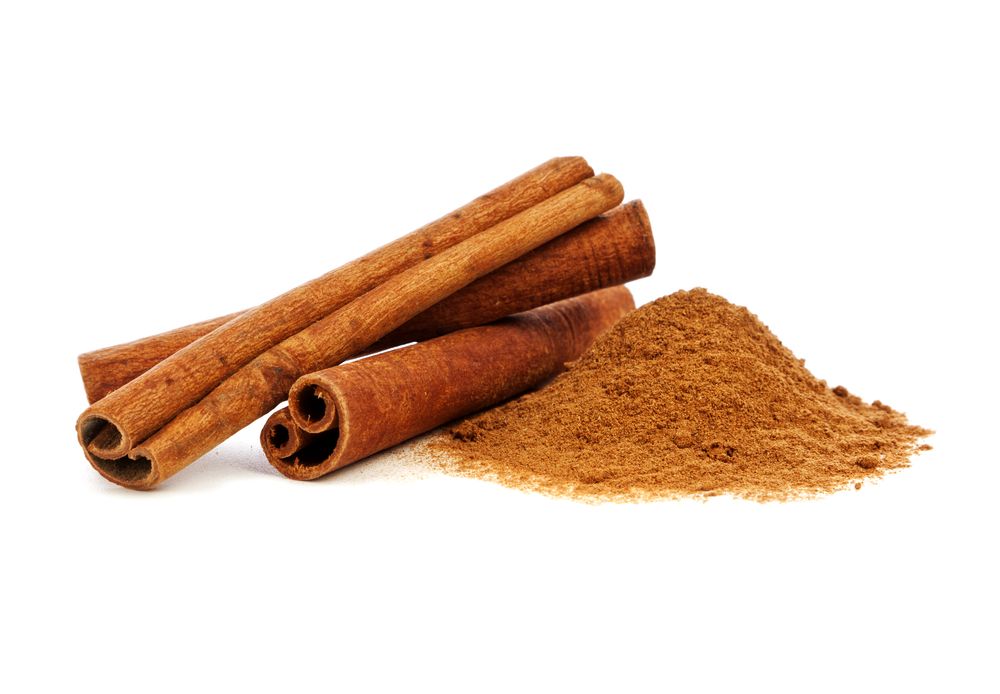
[Phrase] if youmake a clean breast ofsomething, you tell someone the truth about yourself or about something wrong that you have done. 坦白;如实承认 [Verb inflects] - cinnamon: [N-Uncounted]
cinnamonis a sweet spice used for flavoring food. 桂皮;肉桂
(Cinnamon) 辛纳蒙 (人名)
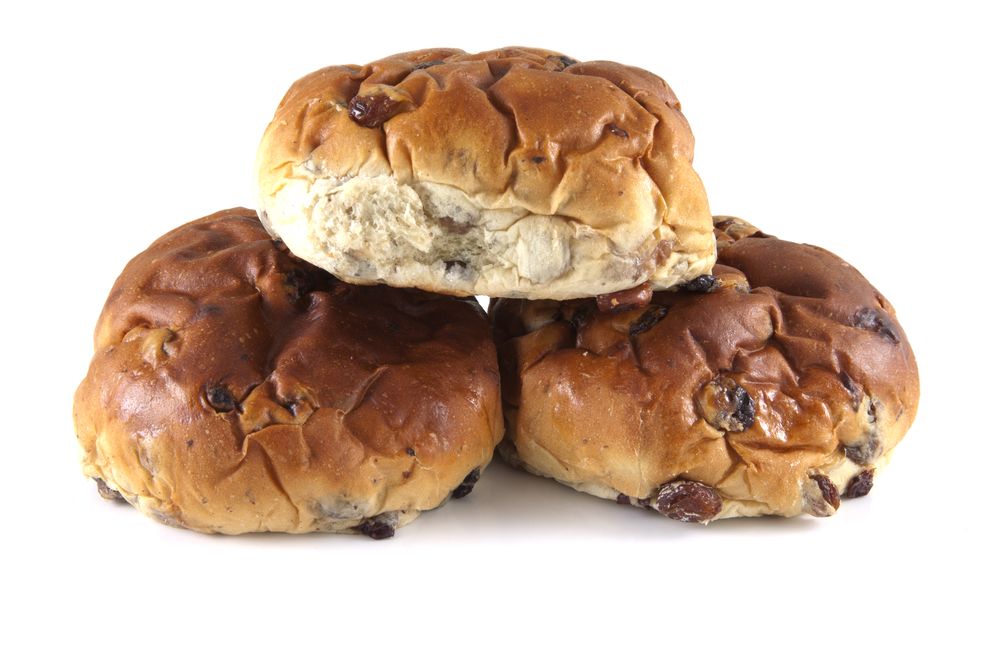
- bun: [N-Count] Buns are small bread rolls. they are sometimes sweet and may contain dried fruit or spices. 小圆面包
[N-Count]bunsare small sweet cakes. they often have icing on the top. (表面覆有糖霜的)小蛋糕 [British]
[N-Count] if a woman has her hair in abun, she has fastened it tightly on top of her head or at the back of her head in the shape of a ball. 圆发髻
[N-Count] yourbunsare your buttocks. 屁股 [mainly US, informal] (usually plural)
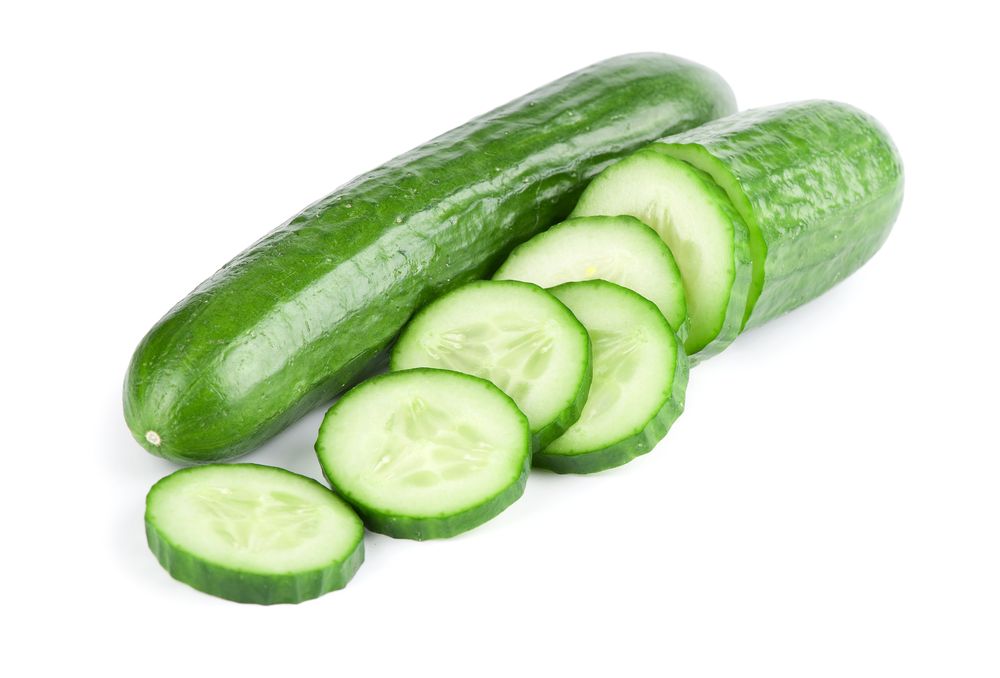
- cucumber: [N-Var] a
cucumberis a long thin vegetable with a hard green skin and wet transparent flesh. it is eaten raw in salads. 黄瓜🥒
[Phrase] if you say that someone isas cool as a cucumber, you are emphasizing that they are very calm and relaxed, especially when you would not expect them to be. (尤指意料之外地)非常冷静,泰然自若 [emphasis]
- French fry: cook by immersing in fat. (法式)薯条🍟
- dope: [N-Uncounted]
dopeis a drug, usually an illegal drug such as marijuana or cocaine. 麻醉剂;毒品(如大麻、可卡因) [informal]
[Verb] if someonedopesa person or animal ordopestheir food, they put drugs into their food or force them to take drugs. 给…服麻醉剂(或毒品);在…中掺麻醉剂(或毒品) [also V n with n]
[N-Count] if someone calls a person adope, they think that the person is stupid. 笨蛋;呆子;蠢货 [informal, disapproval]
[N-Uncounted]dopeis information which you have been given illegally or secretly. 情报;密报 [informal] - Nobel: [N] Swedish chemist remembered for his invention of dynamite and for the bequest that created the Nobel Prizes (1833-1896) 诺贝尔 (瑞典🇸🇪化学家及发明家,发明炸药,并以遗产创设诺贝尔奖)
- haram: [N]
Haramis an Arabic term meaning “forbidden”, often in reference to an act forbidden in Islam. anything that is forbidden by Islamic law. 伊斯兰法律所禁之事
[N] (伊斯兰教徒)女眷居住的内室,闺房;(伊斯兰教徒的)女眷,共配一雄的一群雌性动物 - dude: [N-Count] a
dudeis a man. 男人 [US, informal] - durian: [N] a southeastern Asian bombacaceous tree, having very large oval fruits with a hard spiny rind containing seeds surrounded by edible evil-smelling. 榴莲;榴莲树 (=durian tree)
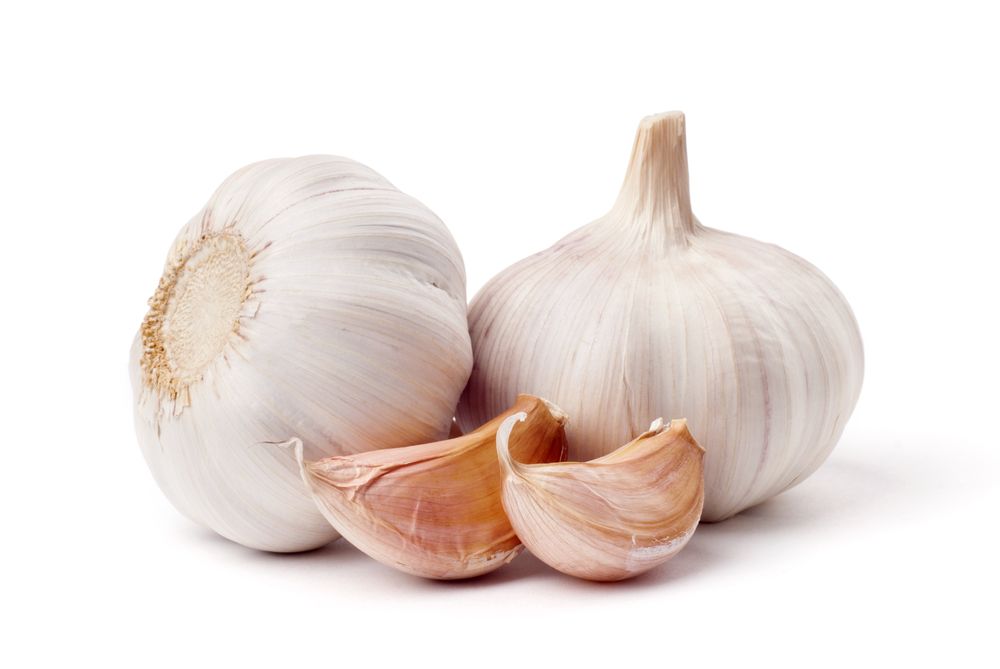
huge fruit native to southeastern Asiasmelling like Hell and tasting like Heaven; seeds are roasted and eaten like nuts - garlicky: [Adj-graded]
somethingthat isgarlickytastes or smells of garlic. 有大蒜味的 [usually Adj. n]
[N-Uncounted]garlicis the small, white, round bulb of a plant that is related to the onion plant. garlic has a very strong smell and taste and is used in cooking. 蒜;大蒜🧄
- literally: [Adverb] you can use
literallyto emphasize a statement. some careful speakers of English think that this use is incorrect. 简直(一些用词谨慎者认为此用法不正确🙅) [emphasis, Adverb before verb, Adverb adjective]
[Adverb] you useliterallyto emphasize that what you are saying is true, even though it seems exaggerated or surprising. 确实地;真正地;不加夸张地 [emphasis, Adverb before verb]
[Adverb] if a word or expression is translatedliterally, its most simple or basic meaning is translated. 照字面地;直(译)地 [Adverb with verb]
[Phrase] if you take something literally, you think that a word or expression is being used with its most simple or basic meaning. 照字面理解
literal: [Adjective] theliteralsense of a word or phrase is its most basic sense. 字面上的;原义的
[Adjective] aliteraltranslation is one in which you translate each word of the original work rather than giving the meaning of each expression or sentence using words that sound natural. 逐字的;直(译)的
[Adj-graded] you useliteralto describe someone who uses or understands words in a plain and simple way. 言辞刻板的;听话不听音的
[Adjective] if you describe something as theliteraltruth or aliteralfact, you are emphasizing that it is true. 确确实实的;完完全全的 [emphasis] - puke: [Verb] when someone
pukes, they vomit. 呕;吐;呕吐🤮 [informal]
[N-Uncounted]pukeis the same asvomit. 同vomit [informal] - fart: [Verb] if someone
farts, air is forced out of their body through their anus. 放屁 [informal, rude]
[N-Count] if someone describes another person as an oldfart, they are showing that they think the person is boring and that they do not respect the person. (老)东西;无聊的家伙 [informal, rude, disapproval] (usually adjective Noun) - beforehand: [Adverb] if you do something
beforehand, you do it earlier than a particular event. 预先;事先;提前 [usually Adverb after verb] - legit: [Adj-graded] if you describe a person or thing as
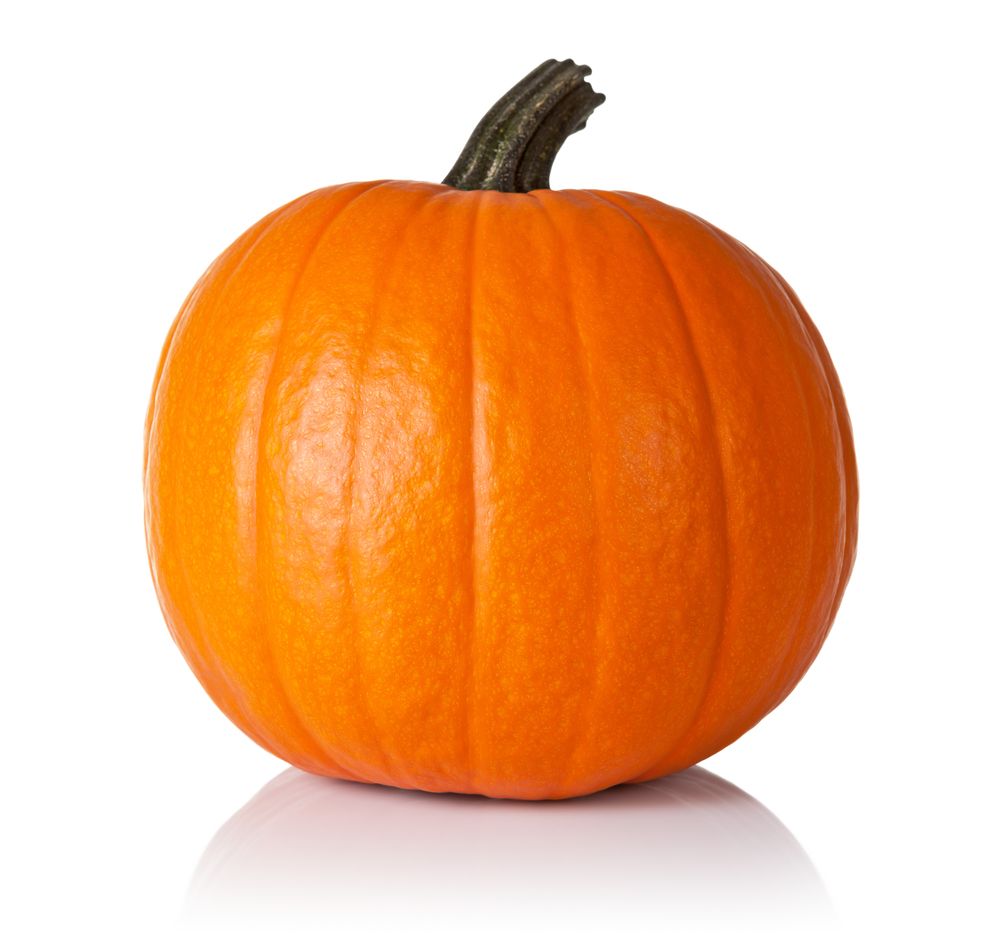
legit, you mean that they are in accordance with the law or with a particular set of rules and regulations. 奉公守法的;守规矩的;合法的 [informal] (usually verb-link Adjective) - pumpkin: [N-Var] a
pumpkinis a large, round, orange vegetable with a thick skin. 南瓜🎃;倭瓜
- Christmas: [N-Var] Christmas is a Christian festival when the birth of Jesus Christ is celebrated. Christmas is celebrated on the 25th of December. 圣诞节🎄(12月25日)
[N-Var] Christmas is the period of several days around and including Christmas Day. 圣诞节🎄期间 - nipple: [N-Count] the
nippleson someone’s body are the two small pieces of slightly hard flesh on their chest. babies suck milk from their mothers’ breasts through their mothers’ nipples. 乳头
[N-Count] anippleis a piece of rubber or plastic which is fitted to the top of a baby’s bottle. (橡皮或塑料)奶嘴 - boob: [N-Count] a woman’s
boobsare her breasts. (女性的)乳房,奶子 [informal, rude] (usually plural)
[Verb] if youboob, you make a mistake. 犯错误 [British, informal] - wheel: [N-Count] the
wheelsof a vehicle are the circular objects which are fixed underneath it and which enable it to move along the ground. 轮;轮子;车轮🛞
[N-Count] awheelis a circular object which forms a part of a machine, usually a moving part. 机轮
[N-Count]the wheelof a car or other vehicle is the circular object that is used to steer it.the wheelis used in expressions to talk about who is driving a vehicle. for example, if someone isat the wheelof a car, they are driving it. 方向盘 [usually singular]
[N-Plural] people sometimes refer to a car aswheels. 汽车🚗 [informal]
[Verb] if youwheelan object that has wheels somewhere, you push it along. 推(带轮子的物体)
[Verb] if something such as a group of animals or birdswheels, it moves in a circle. (动物、鸟禽等)转圈,旋转,盘旋 [literary]
[Verb] if youwheelaround, you turn around suddenly where you are standing, often because you are surprised, shocked, or angry. (因惊讶、震惊或生气😠)突然转身
[N-Sing] you usewheelin expressions such asthe wheel of fortuneto refer to the changes that take place in life, especially when you are referring to the fact that the same situations occur more than once. (尤指多次发生相同的情形)命运之轮 [the Noun of n]
[N-Plural] people talk aboutthe wheels ofan organization or system to mean the way in which it operates. tooil the wheels-> see:oil(组织或系统的)运作方式
[Phrase] if you say that there arewheels within wheels, you mean that there are a number of different influences, reasons, and actions which together make a situation complicated and difficult to understand. (各种影响、原因和行动交织在一起的)错综复杂的情况 - spin: [Verb] if something
spinsor if youspinit, it turns quickly around a central point. (使)旋转
[Verb] when youspinwashing, it is turned round and round quickly in a spin drier or a washing machine to get the water out. (用甩干机或洗衣机)甩干(衣服),给…脱水
[Verb] if your headis spinning, you feel unsteady or confused, for example because you are drunk, ill, or excited. (因醉酒、生病😷或兴奋🥰而)头晕😵💫
[N-Sing] if someone puts a certainspinon an event or situation, they interpret it and try to present it in a particular way. 带倾向性的解释(或说法) [informal]
[N-Uncounted] in politics,spinis the way in which political parties try to present everything they do in a positive way to the public and the media. (政治上的)倾向性报道
[N-Sing] if you go fora spinor take a car fora spin, you make a short journey in a car just to enjoy yourself. (乘车)兜风
[Verb] if someonespinsa story, they give you an account of something that is untrue or only partly true. 杜撰;虚构;编造 [also Verb Noun n]
[Verb] when peoplespin, they make thread by twisting together pieces of a fiber such as wool or cotton using a device or machine. 纺纱;纺线 [also Verb]
[N-Sing] if a plane goes intoa spin, it falls very rapidly towards the ground in a spiral movement. (飞机的)螺旋式急遽下坠,向下旋冲
[N-Uncounted] in a game such as tennis or cricket, if you put spin on a ball, you deliberately make it span rapidly when you hit it or throw it. (网球🎾或板球运动中球的)快速旋转,旋转运动
[Phrase] if you say that someone isin a spinorin a flat spin, you mean that they are confused and unable to act sensibly because of something that has happened. 感到惊慌失措😱 [British, informal] - claim: [Verb] if you say that someone
claims thatsomething is true, you mean they say that it is true, but you are not sure whether they are telling the truth. 声称;断言
[N-Count] aclaimis something which someone says which they cannot prove and which may be false. 声称;断言 [oft Noun that]
[Verb] if you say that someoneclaimsresponsibility or credit for something, you mean they say that they are responsible for it, but you are not sure whether they are telling the truth. 声称(负有责任或享有功劳)
[Verb] if youclaimsomething, you try to get it because you think you have a right to it. 索取,索要(有权拥有的东西)
[N-Count] aclaimis a demand for something that you think you have a right to. 主张;要求
[Verb] if someoneclaimsa record, title, or prize, they gain or win it. 取得,获得,赢得(纪录、冠军或奖励) [journalism]
[N-Count] if you have aclaim onsomeone or their attention, you have the right to demand things from them or to demand their attention. 权利;要求权
[Verb] if something or someoneclaimsyour attention, they need you to spend your time and effort on them. 需要,要求(花时间或精力)
[Verb] if youclaimmoney from the government, an insurance company, or another organization, you officially apply to them for it, because you think you are entitled to it according to their rules. 索要,索取,申领(钱)
[Verb] if youclaimmoney or other benefits from your employers, you demand them because you think you deserve or need them. (向雇主)索要,索取,讨要(钱、福利)
[Verb] if you say that a war, disease, or accidentclaimssomeone’s life, you mean that they are killed in it or by it. (战争、疾病、事故)夺去(生命),导致(死亡) [formal]
[Phrase] someone’sclaim to fameis something quite important or interesting that they have done or that is connected with them. 成名之举;成名之作
[Phrase] if youlay claim tosomething you do not have, you say that it belongs to you. 声称拥有 [formal] - debut: [N-Count] the
debutof a performer or sports player is their first public performance, appearance, or recording. (表演者或运动员的)首次登台,初次露面;(歌手的)首次录音 [oft with poss] - proposal: [N-Count] a
proposalis a plan or an idea, often a formal or written one, which is suggested for people to think about and decide upon. 提议;建议;提案 [Noun to-infinitive]
[N-Count] aproposalis the act of asking someone to marry you. 求婚 - desire: [N-Count] a
desireis a strong wish to do or have something. 渴望;热望;欲望 [oft Noun to-infinitive]
[Verb] if youdesiresomething, you want it. 渴望;想望;想要 [formal] (no cont)
[N-Uncounted]desirefor someone is a strong feeling of wanting to have sex with them. 情欲;肉欲;性欲
[Verb] if youdesiresomeone, you want to have sex with them. 想与…发生性关系 [no cont]
[Phrase]if desiredis used in instructions in written English to indicate that someone can choose to take the course of action mentioned. (用于说明性的书面语中)如果需要的话,如果愿意的话
[Phrase] if you say that someone or something is yourheart's desire, you mean that you want that person or thing very much. 心里想望之人;心中渴望之物 [literary] (Ns inflect, usu poss PHR)
[Phrase] if you say that somethingleavesa lotto be desired, you mean that it is not as good as it should be. 尚有(许多)需要改进之处;有待(大幅)提高 [disapproval] - tattoo: [N-Count] a
tattoois a design that is drawn on someone’s skin using needles to make little holes and filling them with colored dye. 文身;刺青
[Verb] if someonetattoosyou, they give you a tattoo. 给…文身;在…身上刺花纹
[N-Count] a militarytattoois a public display of exercises and music given by members of the armed forces. (军队的)表演操 [British]
[N-Count] if you beat atattoo, you hit something quickly and repeatedly. 快速的击打;不停的敲击 [usually singular] - peek: [Verb] if you
peek atsomething or someone, you have a quick look at them, often secretly. 瞥;偷看;窥视👀
[N-Count]peekis a secret look. 一瞥
(Peek) 皮克 (人名) - squish: [Verb] to crush, especially to make a soft splashing noise. 挤压,压扁,把…挤扁;咯吱咯吱地压碎; (在泥泞中)咕唧咕唧地走
[N-Count] the noise of soft mud being walked on. 咯吱声,咕唧声 - appetizer: [N-Count] an
appetizeris the first course of a meal. it consists of a small amount of food. (餐前的)开胃小吃
in BRIT, also useappetiser. - lush: [Adj-graded]
lushfields or gardens have a lot of very healthy grass or plants. 葱郁的;葱茏的;草木茂盛的
[Adj-graded] if you describe a place or thing aslush, you mean that it is very luxurious. 豪华的;奢侈的
[N-Count] if you describe someone as alush, you mean that they drink too much alcohol. 醉鬼;酒鬼 [informal]
(Lush) 勒什 (人名) - passion fruit: [N-Var] a passion fruit is a small, round, brown fruit that is produced by certain types of tropical flower. 西番莲果;鸡蛋果;百香果
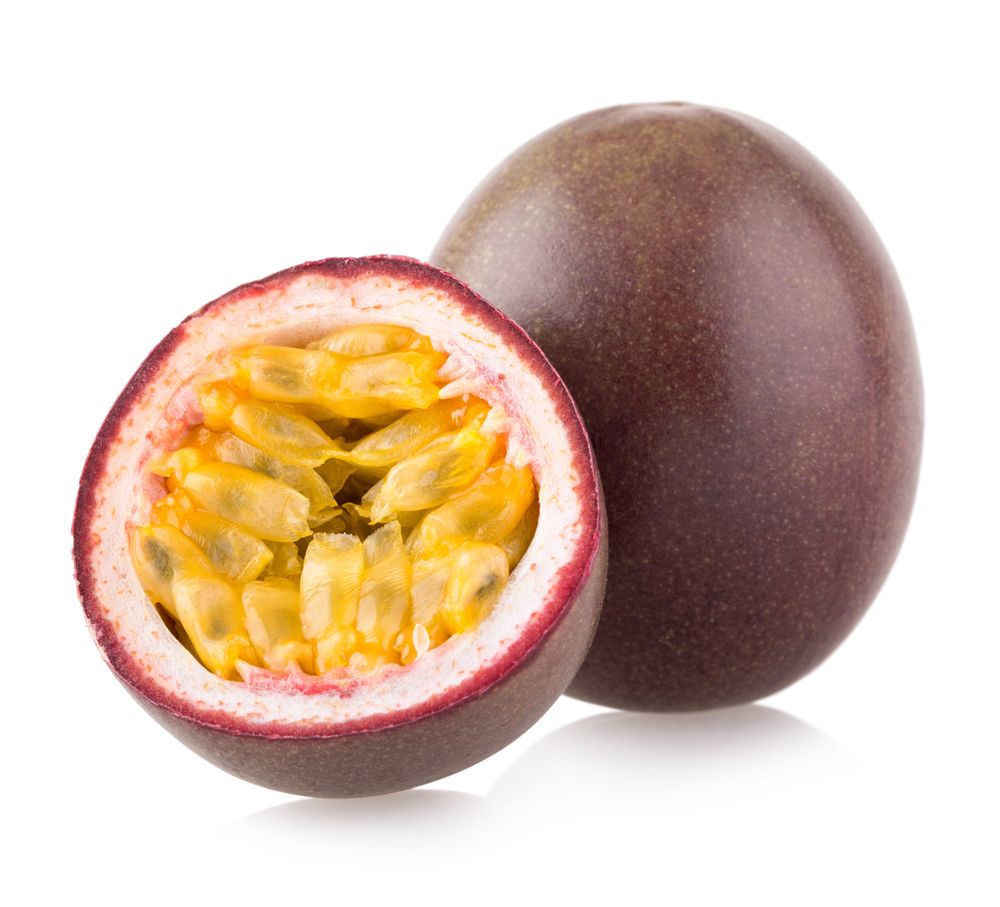
- curl: [N-Count] if you have
curls, your hair is in the form of tight curves and spirals. 鬈发;卷发
[N-Uncounted] if your hair hascurl, it is full of curls. 卷;弯曲
[Verb] if your haircurlsor if youcurlit, it is full of curls. 卷; (使)卷曲; (使)鬈曲
[N-Count] acurl ofsomething is a piece or quantity of it that is curved or spiral in shape. 卷曲物;螺旋状物
[Verb] if your toes, fingers, or other parts of your bodycurl, or if youcurlthem, they form a curved or round shape. (使)(脚趾、手指等)蜷曲;(使)蜷缩
[Verb] if somethingcurlssomewhere, or if youcurlit there, it moves there in a spiral or curve. (使)呈螺旋(或卷曲)状移动;(使)旋绕
[Verb] if a person or animalcurls intoa ball, they move into a position in which their body makes a rounded shape. 蜷缩
[Verb] when a leaf, a piece of paper, or another flat objectcurls, its edges bend towards the center. (叶子、纸等)卷边
[Verb] if youcurlyour lip, you raise your upper lip slightly at one side, as a way of showing anger or contempt. 撇(嘴)
(Curl) 柯尔 (人名) - blanket: [N-Count] a
blanketis a large square or rectangular piece of thick cloth, especially one which you put on a bed to keep you warm. 毯子;毛毯
[N-Count] ablanket ofsomething such as snow is a continuous layer of it which hides what is below or beyond it. 覆盖层 [usually singular]
[N-Sing] you can refer to something such as an unpleasant emotion or an undesirable quality that seems to affect every aspect of a particular situation as ablanket ofthat emotion or quality. (不好的情感、性质等的)弥漫,充斥 [literary] (Noun of n)
[Verb] if something such as snow blankets an area, it covers it. 覆盖;遮盖;盖住
[Adj-graded] you useblanketto describe something when you want to emphasize that it affects or refers to every person or thing in a group, without any exceptions. 通用的;全面的;无一例外的 [emphasis] - massage: [N-Var]
massageis the action of squeezing and rubbing someone’s body, as a way of making them relax or reducing their pain. 按摩;推拿
[Verb] if youmassagesomeone or a part of their body, you squeeze and rub their body, in order to make them relax or reduce their pain. 为…按摩;给…推拿
[Verb] if you say that someonemassagesstatistics, figures, or evidence, you are criticizing them for changing or presenting the facts in a way that misleads people. 修改,改动,窜改(数据或证据以掩人耳目) [disapproval] - Bangkok: [N] the capital and largest city and chief port of Thailand; a leading city in southeastern Asia; noted for Buddhist architecture. 曼谷(泰国首都,泰国最大城市和主要港口)
- mouse pad: [N-Count] a
mouse padis the same as amouse mat. 同 mouse mat [mainly US]
[N-Count] amouse matis a flat piece of plastic or some other material that you rest the mouse on while using a computer. 鼠标垫 [British] - slurp: [Verb] if you
slurpa liquid, you drink it noisily. 大声地啜;出声地喝
[N-Count] aslurpis a noise that you make with your mouth when you drink noisily, or a mouthful of liquid that you drink noisily. (喝东西时发出的)咕嘟声 - bunny: [N-Count] a
bunnyor abunny rabbitis a child’s word for a rabbit. (儿语)兔子🐰 [informal]
(Bunny) 邦尼 (人名) - rub: [Verb] if you
ruba part of your body, you move your hand or fingers backwards and forwards over it while pressing firmly. 揉;按摩;搓
[Verb] if yourub againsta surface orruba part of your bodyagainsta surface, you move it backwards and forwards while pressing it against the surface. 摩擦;蹭
[Verb] if youruban object or a surface, you move a cloth backward and forward over it in order to clean or dry it. (用布)擦干,擦净,擦拭
[Verb] if youruba substanceintoa surface orrubsomething such as dirtfroma surface, you spread it over the surface or remove it from the surface using your hand or something such as a cloth. 涂抹;搽;擦去
[Verb] if yourubtwo thingstogetheror if theyrub together, they move backwards and forwards, pressing against each other. 相互摩擦;揉搓
[Verb] if something you are wearing or holdingrubs, it makes you sore because it keeps moving backwards and forwards against your skin. 擦伤;磨痛 [also Verb N]
[N-Sing]rubis used in expressions such asthere's the rubandthe rub iswhen you are mentioning a difficulty that makes something hard or impossible to achieve. 困难;难处;障碍 [formal]
[N-Count] a massage can be referred to as arub. 按摩 [usually singular]
[N-Count] arubis a substance that you massage into your skin. 按摩膏;面膜 [usually with supplement]
[Phrase] if yourub shoulders withfamous people, you meet them and talk to them. you can also say that yourub elbows withsomeone, especially in American English. (尤用于美国英语)和(名人)接触,和(名人)交往
[Phrase] if yourubsomeoneup the wrong wayin British English, orrubsomeonethe wrong wayin American English, you offend or annoy them without intending to. 无意中冒犯;无意中惹恼 [informal] - tier: [N-Count] a
tieris a row or layer of something that has other layers above or below it. 一排;一行;一列
[N-Count] atieris a level in an organization or system. (组织或系统的)层,级
[Comb in Adjective] tier is also a combining form. (用于构成合成形容词) …排的; …层的
[Comb in Adjective] tier is also a combining form. (用于构成合成形容词) …级的
[Verb] to be or arrange in tiers. 使层叠; 按层排列
(Tier) 蒂尔 (人名) - weary: [Adjective-Graded] if you are
weary, you are very tired. 疲倦的;疲劳的
[Adjective-Graded] if you areweary ofsomething, you have become tired of it and have lost your enthusiasm for it. 不再感兴趣的;感到厌烦的
[Verb] if youwearyof something or itweariesyou, you become tired of it and lose your enthusiasm for it. (使)厌倦; (使)失去热情 [formal]
world-weary: 厌世的;讨厌人世的 - nail: [N-Count] a
nailis a thin piece of metal with one pointed end and one flat end. you hit the flat end with a hammer in order to push the nail into something such as a wall. 钉子
[Verb] if younailsomething somewhere, you fix it there using one or more nails. (用钉子)钉住,钉牢
[N-Count] yournailsare the thin hard parts that grow at the ends of your fingers and toes. 指甲;趾甲
[Verb] tonailsomeone means to catch them and prove that they have been breaking the law. 抓住;逮住;证明…有罪 [informal]
[Phrase] if you say that someone isas hard as nails, you mean that they are extremely tough and aggressive, either physically or in their attitude towards other people or other situations. 冷酷无情的;铁石心肠的;强硬好斗的
[Phrase] if you say that someonehas hit the nail on the head, you think they are exactly right about something. 正中要害;说得中肯
(Nail) 纳伊 (人名) - necklace: [N-Count] a
necklaceis a piece of jewelry such as a chain or a string of beads which someone, usually a woman, wears round their neck. 项圈;项链
[Verb] tonecklacesomeone means to kill them by putting a tire soaked in petrol around their neck and then setting fire to it. (主要指南非)给…戴火项链(指将淋了汽油的轮胎套在某人脖子上并点燃的私刑) [also Verb N] - cow: [N-Count] a
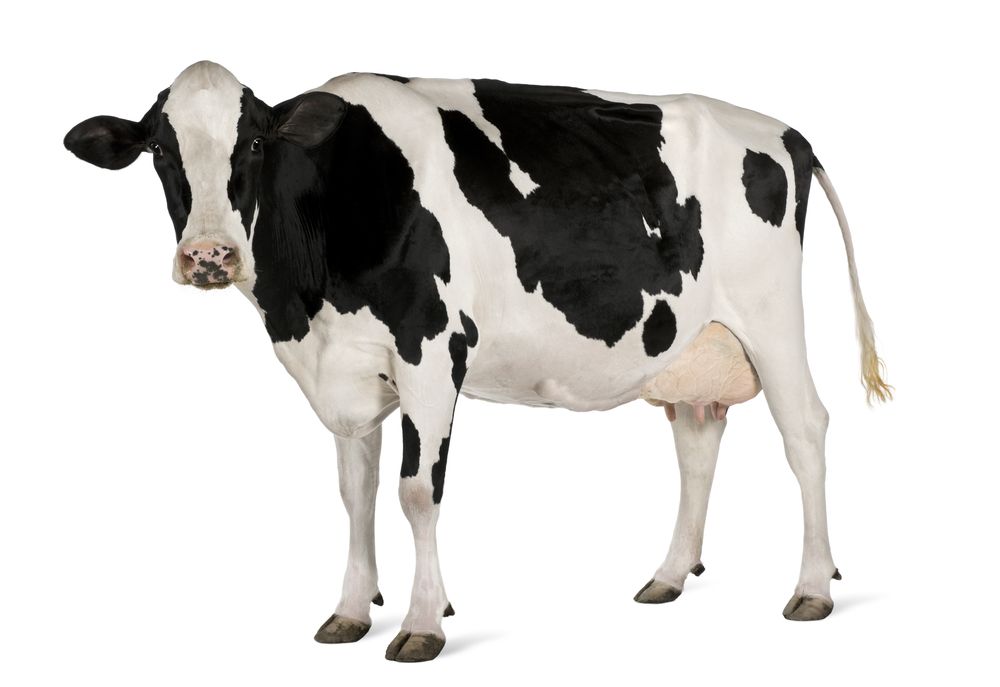
cowis a large female animal that is kept on farms for its milk. people sometimes refer to male and female animals of this species ascows. 母牛;奶牛🐄; (有时统称)牛🐮
[N-Count] some female animals, including elephants and whales, are calledcows. 雌性动物(如雌象、雌鲸等)
[N-Count] if someone describes a woman as acow, they dislike her and think that she is unpleasant or stupid. 婆娘;娘儿们 [informal, offensive, disapproval]
[Verb] if someoneis cowed, they are made afraid, or made to behave in a particular way because they have been frightened or badly treated. 恐吓;威胁;把…吓住 [formal]
[Phrase] if you say that someone can do somethinguntil the cows come home, but it will have no effect, you are emphasizing that it will have no effect even if they do it for a very long time. 很长时间;长期 [informal, emphasis]
- succubus: [N] a female demon believed to have sexual intercourse with sleeping men. 一种与睡梦中的男子性交的女妖 (also called succuba);魅魔
- tire: [N-Count] a
tireis a thick piece of rubber which is fitted onto the wheels of vehicles such as cars, buses, and bicycles. 轮胎;车胎🛞
in BRIT, usetyre.
Tattoo & tobacco
- tattoo: [N-Count] a
tattoois a design that is drawn on someone’s skin using needles to make little holes and filling them with colored dye. 文身;刺青
[Verb] if someonetattoosyou, they give you a tattoo. 给…文身;在…身上刺花纹
[N-Count] a militarytattoois a public display of exercises and music given by members of the armed forces. (军队的)表演操 [British]
[N-Count] if you beat atattoo, you hit something quickly and repeatedly. 快速的击打;不停的敲击 [usually singular] - tobacco: [N-Mass]
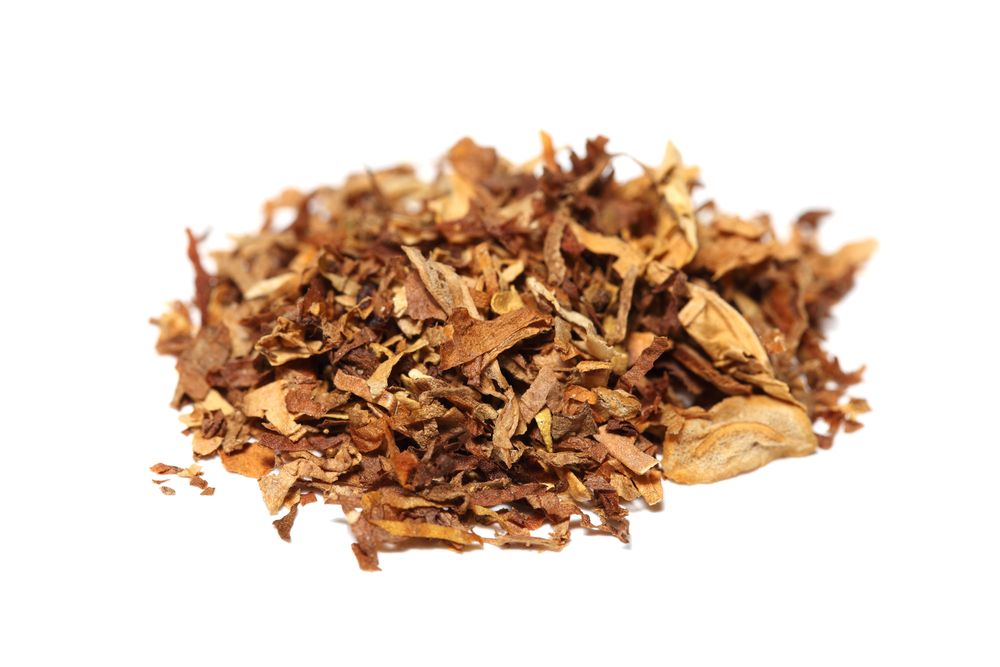
tobaccois dried leaves which people smoke in pipes, cigars, and cigarettes. you can also refer to pipes, cigars, and cigarettes as a whole as tobacco. 烟叶;烟草(制品)
[N-Uncounted]tobaccois the plant from which tobacco is obtained. 烟草植株
Inoreader
- retaliation: [N] action taken in return for an injury or offense. 报复;反击
retaliate: [Verb] if youretaliatewhen someone harms or annoys you, you do something which harms or annoys them in return. 报复;反击 [also + for] - widespread: [Adj-graded] something that is
widespreadexists or happens over a large area, or to a great extent. 普遍的;广泛的 - outage: [N-Count] an
outageis a period of time when the electricity supply to a building or area is interrupted, for example because of damage to the cables. 停电期 [US]
in BRIT, usepower cut. - documentary: [N-Count] a
documentaryis a television or radio program, or a film, which shows real events or provides information about a particular subject. (电视、广播等)纪实节目;纪录片
[Adj.]documentaryevidence consists of things that are written down. (证据)有文件记录的,来源于文件的,书面的 - figure: [N-Count] a
figureis a particular amount expressed as a number, especially a statistic. 数字; (尤指)统计数字
[N-Count] a figure is any of the ten written symbols from 0 to 9 that are used to represent a number. (0 到 9 的)数字符号,数目字
[N-Plural] an amount or number that is in singlefiguresis between zero and nine. an amount or number that is in doublefiguresis between ten and ninety-nine. you can also say, for example, that an amount or number is in threefigureswhen it is between one hundred and nine hundred and ninety-nine. 位数
[N-Count] you refer to someone that you can see as afigurewhen you cannot see them clearly or when you are describing them. 人影;身影
[N-Count] in art, afigureis a person in a drawing or a painting, or a statue of a person. (绘画作品中的)人物;雕像;塑像
[N-Count] yourfigureis the shape of your body. 体形;身材
[N-Count] someone who is referred to as afigureof a particular kind is a person who is well-known and important in some way. 知名人士;重要人物
[N-Count] if you say that someone is, for example, a motherfigureor a herofigure, you mean that other people regard them as the type of person stated or suggested. (某种)人物,形象 [usually n Noun]
[N-Count] in books and magazines, the diagrams which help to show or explain information are referred to asfigures. (书、杂志等中的)图,表
[N-Count] in geometry, afigureis a shape, especially a regular shape. (尤指规则的几何)图形 [technical]
[Verb] if youfigurethat something is the case, you think or guess that it is the case. 认为;猜想;估计 [informal]
[Verb] if you say ‘That figures’ or ‘It figures’, you mean that the fact referred to is not surprising. 不奇怪;很正常;合乎情理 [informal]
[Verb] if a person or thingfigures insomething, they appear in or are included in it. 出现,包括(在…中) [no passive, also V + as]
[Phrasal verb] if youfigure onsomething, you plan that it will happen or assume that it will happen when making your plans. 预料;料想
[Phrasal verb] if youfigure outa solution to a problem or the reason for something, you succeed in solving it or understanding it. 想出;理解;弄清
[Phrasal verb] if youfigure upa cost or amount, you add numbers together to get the total. 算出…的总和 - massive: [Adj-graded] something that is
massiveis very large (in size), quantity, or extent. 巨大的;庞大的;厚重的;强大的 [emphasis]
[Adj.] if you describe a medical condition asmassive, you mean that it is extremely serious. (疾病)非常严重的,十分危急的 - insanity: [N-Uncounted]
insanityis the state of being insane. 精神错乱;精神失常;疯狂
[N-Uncounted] if you describe a decision or an action asinsanity, you think it is very foolish. 极端的愚蠢(行为);荒唐(事) [disapproval] - comeback: [N-Count] if someone such as an entertainer or sports personality makes a
comeback, they return to their profession or sport after a period away. (娱乐圈、体育明星等的)复出,东山再起
[N-Count] if something makes acomeback, it becomes fashionable again. 再度流行
[N-Uncounted] if you have nocomebackwhen someone has done something wrong to you, there is nothing you can do to have them punished or held responsible. 因受到伤害而追究他人的责任
other
- frame: [N-Count] the
frameof a picture or mirror is the wood, metal, or plastic that is fitted around it, especially when it is displayed or hung on a wall. (尤指挂在墙上展示的)画框🖼️,镜框
[N-Count] theframeof an object such as a building, chair, or window is the arrangement of wooden, metal, or plastic bars between which other material is fitted, and which give the object its strength and shape. 框;架;骨架;框架
[N-Count] theframesof a pair of glasses are all the metal or plastic parts of it, but not the lenses. 眼镜框;眼镜架 [usually plural]
[N-Count] you can refer to someone’s body as theirframe, especially when you are describing the general shape of their body. (人体的)骨架🩻;(尤指)体形,体态 [oft poss Noun]
[N-Count] aframeof cinema film is one of the many separate photographs that it consists of. (电影🎬的)画面,镜头
[Adj.] aframebuilding is one in which pieces of wood form the most important part of the structure, rather than bricks or stone. (建筑)木制的,木结构的 [US]
[Verb] when a picture or photographis framed, it is put in a frame. 给…加框 [usually passive]
[Verb] if an objectis framedby a particular thing, it is surrounded by that thing in a way that makes the object more striking or attractive to look at. 给…镶边;给…做框 [usually passive]
[Verb] if someoneframessomething such as a set of rules, a plan, or a system, they create and develop it. 创设,拟定,制定(规则、计划或体系) [written]
[Verb] if someoneframessomething in a particular style or kind of language, they express it in that way. 表达;表示 [also Verb n preposition / adverb]
[Verb] if someoneframesan innocent person, they make other people think that that person is guilty of a crime, by lying or inventing evidence. 作伪证;陷害;诬陷 [informal]
[Phrase] if someone isin the frame forsomething such as a job or position, they are being considered for it. 在…考虑范围内;有机会成为… - spotlight: [N-Count] a
spotlightis a powerful light, for example in a theater, which can be directed so that it lights up a small area. 聚光灯
[Verb] if somethingspotlightsa particular problem or situation, it makes people notice it and think about it. 使受关注;使突出醒目
[Phrase] someone or something that isin the spotlightis getting a great deal of public attention. 成为公众关注的焦点;受到瞩目
[Phrase] if someone or something comesunder the spotlight, they are thoroughly examined, especially by journalists and the public. 备受(媒体和公众的)关注 [Phrase after verb] - debit: [Verb] when your bank
debitsyour account, money is taken from it and paid to someone else. 记入(账户)的借方
[N-Count] adebitis a record of the money taken from your bank account, for example when you write a cheque. (银行账户的)借记,借入 - mung: [Verb] to process (computer data) [slang] 处理(计算机数据) [俚语]
[N] 绿豆; (Mung) 蒙 (人名)
mung bean: 绿豆; mung bean soup: 绿豆汤,绿豆稀饭; mung bean noodle: 粉丝,绿豆阔面; mung bean porridge: 绿豆粥 - settle: [Verb] if people
settlean argument or problem, or if somethingsettlesit, they solve it, for example by making a decision about who is right or about what to do. 解决,结束(争端、纠纷)
[Verb] if peoplesettlea legal dispute or if theysettle, they agree to end the dispute without going to a court of law, for example by paying some money or by apologizing. 庭外和解
[Verb] if yousettlea bill or debt, you pay the amount that you owe. 付清(欠款);结算(账单🧾);结(账)
[Verb] if somethingis settled, it has all been decided and arranged. 决定;确定;安排好 [usually passive]
[Verb] tosettlemoneyonsomeone means to formally give it to them, for example in a will. (以遗嘱等正式方式)赠予,授予 [formal]
[Verb] when peoplesettlea place or in a place, or when a governmentsettlesthem there, they start living there permanently. 在…定居;使定居;把…安置在
[Verb] if yousettle yourselfsomewhere orsettlesomewhere, you sit down or make yourself comfortable. (使)坐下;(使)处于舒适的位置
[Verb] if somethingsettlesor if yousettleit, it sinks slowly down and becomes still. (使)缓慢沉落;(使)逐渐下陷
[Verb] if your eyessettle onoruponsomething, you stop looking around and look at that thing for some time. (目光)落在…上,注视着
[Verb] when birds or insectssettle onsomething, they land on it from above. (鸟、昆虫)降落,栖息
[N] a seat, for two or more people, usually made of wood with a high back and arms, and sometimes having a storage space in the boxlike seat. 高背长靠椅
(Settle) 塞特尔 (人名) - tremendous: [Adj-graded] you use
tremendousto emphasize how strong a feeling or quality is, or how large an amount is. 巨大的;极大的;大量的 [informal, emphasis]
[Adj-graded] you can describe someone or something astremendouswhen you think they are very good or very impressive. 精彩的;出色的;极好的 [informal]
tremendously: [Adverb] extremely. 非常地,极其,惊人地;可怕地 - dash: [Verb] if you
dashsomewhere, you run or go there quickly and suddenly. 飞奔;猛冲
[Verb] if you say that you have todash, you mean that you are in a hurry and have to leave immediately. 马上离开;赶紧走 [informal] (no cont)
[N-Count] adash ofsomething is a small quantity of it which you add when you are preparing food or mixing a drink. (往食物或饮料里添加的)少量,少许
[N-Count] adash ofa quality is a small amount of it that is found in something and often makes it more interesting or distinctive. (某种特质的)少量,些许
[Verb] if youdashsomethingagainsta wall or other surface, you throw or push it violently, often so hard that it breaks. (朝墙上等)猛摔,猛掷,猛撞 [literary] (also Verb n preposition)
[Verb] if an event or persondashessomeone’s hopes or expectations, it destroys them by making it impossible that the thing that is hoped for or expected will ever happen. 使(希望或期望)破灭 [journalism, literary]
[N-Sing] if you do something ina dash, you do it very quickly, perhaps with very bad results. 急匆匆;仓促
[N-Count] adashis a short fast race. 短跑(比赛) [US]
[N-Count] adashis a straight, horizontal line used in writing, for example to separate two main clauses whose meanings are closely connected. 破折号
[Exclamation] you can saydashordash itordash it allwhen you are rather annoyed about something. 该死;可恶;讨厌 [British, informal, old-fashioned, feelings]
[N-Count] thedashof a car is itsdashboard. (汽车的)仪表板
[N-Uncounted]dashis a mixture of stylishness, enthusiasm, and courage. 潇洒;闯劲;勇猛 [old-fashioned]
[Phrase] if you say that someonecuts a dash, you mean that they have an attractively stylish appearance or a rather bold manner. 风度翩翩;大胆出位 [old-fashioned] (Verb inflects)
[Phrase] if youmake a dash fora place, you run there very quickly, for example to escape from someone or something. (为逃离等而)飞速奔向,猛冲向
[Phrasal Verb] if youdash off toa place, you go there very quickly. 迅速前往
[Phrasal Verb] if youdash offa piece of writing, you write or compose it very quickly, without thinking about it very much. 急速写好;匆匆写成
(Dash) 达什 (人名) - quickening: [N] the stage of pregnancy at which the mother first feels the movements of the fetus. 胎动(尤指孕妇初次感到的胎儿活动)
[V-T/V-I] if somethingquickensor if youquickenit, it becomes faster or moves at a greater speed. 加速,加快
[Adjective] the process of showing signs of life. 使复苏的
[!TIP] *:
- glossary: [N-Count] a
glossaryof special, unusual, or technical words or expressions is an alphabetical list of them giving their meanings, for example at the end of a book on a particular subject. 术语汇编;词汇表